Marine Life
Tide Pool Etiquette
Tide pools are unique and fascinating habitats home to dozens of species adapted to survive these ever-changing environments. Here on the Washington Coast we have several tide pools located within the Olympic Coast National Marine Sanctuary, including Shi Shi Beach, Second Beach, Hole-in-the-Wall, and Kalaloch Beach. Outside of the Sanctuary, there are tide pools located at Damon Point in Ocean Shores.
Tide pools provide us with an excellent opportunity to observe sea life first-hand, but it is important we do so with the upmost care and respect. So let us take this opportunity to go over some tide pool etiquette.
First things first—it is illegal to harvest most tide pool species in Washington State. For the most up to date information on what can be harvested, when, and in what quantities, please check the current Washington Sport Fishing Guide, which can be viewed online here[go to eregulations.com]. However, most tide pool species, including sea stars, sea anemones, and limpets, are considered “Unclassified Marine Invertebrates” in the Sport Fishing Guide which are not permitted for harvest anywhere in Washington State.
It is best not to pick up any tide pool creatures either. Many tide pool species are adapted to cling onto rocks, which allow them to access their preferred prey, avoid predation, and avoid being washed up on the beach by the current. Disrupting them can easily result in them being hurt or killed. They can be safely touched so long as your hands are free of sunscreen, perfumes, or other chemicals that may harm them, you wet your finger with seawater first, and you touch them gently—no poking.
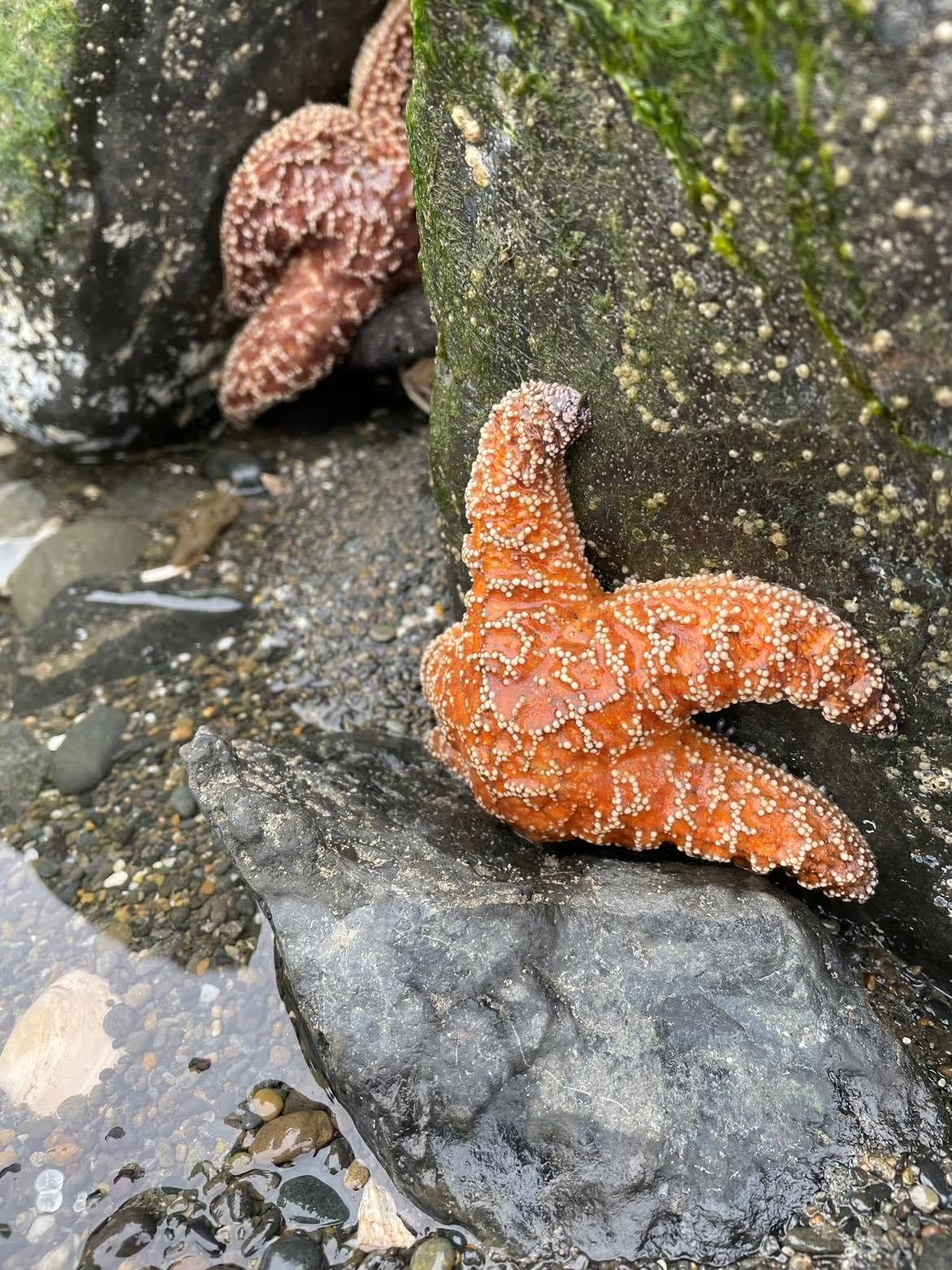
If you pick up a rock, make sure you put it back down both where you found it and as you found it. The upper side of a rock is home to different creatures than the underside and they may not be able to survive if the rock is left overturned.
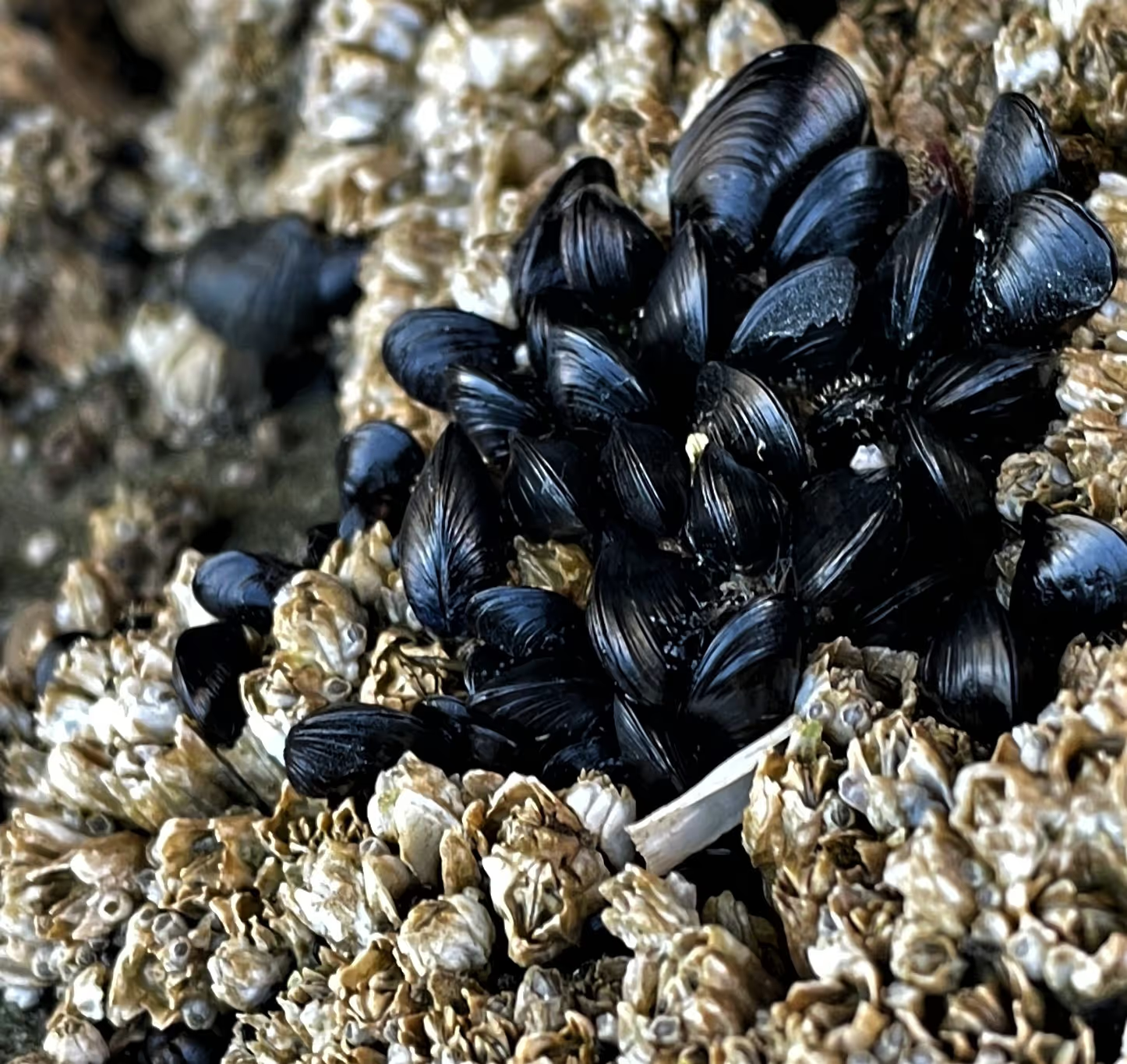
Wear sturdy shoes when tidepooling. If you need to walk on rocks to access the tide pools, be cautious and try to avoid stepping on algae, eelgrass or sea anemones. Not only do they make surfaces slippery, but many creatures use them for shelter and could be crushed if you step on them. Do not bring dogs with you since they can cut their pads on sharp rocks or barnacle and mussel shells.
As always when visiting the beach, keep an eye of the ocean. Tide pools are best viewed at low tides during the spring and summer months. Be sure to check the tides for your area before you go out and keep an eye on it as you are tidepooling. Incoming tides can cut off your ability to safely return inland if you don’t head back in time. Current tides for Ocean Shores can be viewed here[go to tidesandcurrents.noaa.gov].
Likewise, keep an eye out for sneaker waves. Sneaker waves are waves that come up farther on the beach than expected and can sweep people into the ocean if they are not paying attention. Sneaker waves can also carry debris onto the beach that can cause injury.
Tide pools can be an endless source of wonder and with a little caution and advance preparation, we can ensure our visits do not cause harm to the creatures who live there.
References
Hale, J. (2019, May 29). Low tide etiquette: 10 ways to stay safe and respect tide pools on the Oregon Coast. The Oregonian. https://www.oregonlive.com/life-and-culture/g66l-2019/05/77fd8a7dba2236/low-tide-etiquette-10-ways-to-stay-safe-and-respect-tide-pools-on-the-oregon-coast.html
National Weather Service. (2021, October 22). Sneaker waves. National Weather Service. https://www.weather.gov/safety/sneaker-waves
Olympic Coast National Marine Sanctuary. (n.d.). Tidepooling. Olympic Coast National Marine Sanctuary. https://olympiccoast.noaa.gov/visitor/thingstodo/tidepooling.html
Seattle Aquarium. (2020, July 8). Tide pooling 101: Learn to (gently) explore the beach. Seattle Aquarium. https://www.seattleaquarium.org/blog/tide-pooling-101
The Washington Department of Fish and Wildlife. (2021, August 18). A treasure trove in Tidepools. Medium. https://wdfw.medium.com/a-treasure-trove-in-tidepools-37b2af895ce1
Photos courtesy of Barbara Hayford
© Laura Caldwell, September 2023
Touch whale bones, examine shipwreck artifacts and connect with the coast's living history.

Support our mission, get involved in educational programs, or contribute through donations and volunteering.