Ocean Shores History
Seahorses in Ocean Shores
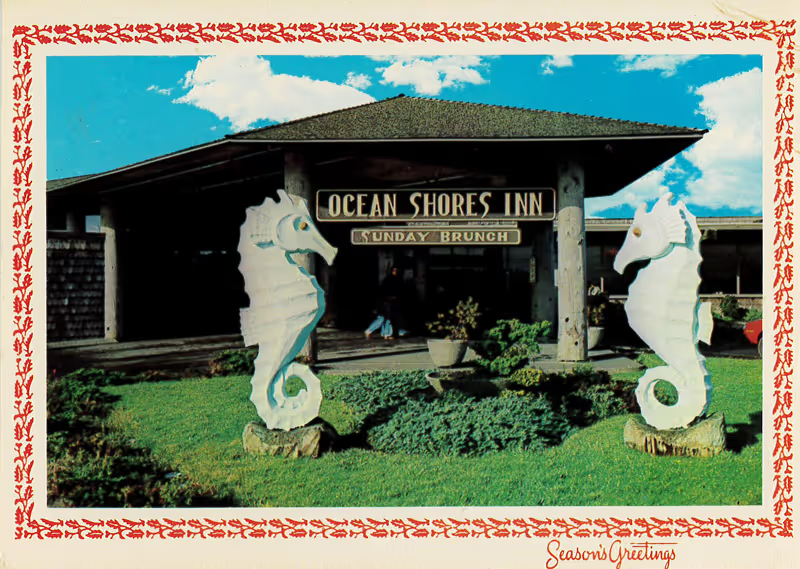
Seahorse imagery is everywhere in Ocean Shores, from business and street names, to the “Welcome to Ocean Shores” sign at the entrance to town, to the driftwood sculpture that once stood outside the Ocean Shores Convention Center until it succumbed to storm damage in 2019. Perhaps the most famous examples are the two carved wooden seahorses that once stood outside the Ocean Shores Inn, one of which can be found in our outdoor exhibits. However, there is one place in Ocean Shores you will not find any seahorses: our waters.
There are 46 species of seahorses (Hippocampus sp.) in the world. They live in shallow temperate or tropical waters, typically 30 meters in depth or less. Along the Pacific Coast of the Americas, the Pacific seahorse (Hippocampus ingens, also known as the giant seahorse) is the only known species. They can be found from San Diego, California to Peru. According to the Cabrillo Marine Aquarium, they have only been recorded as far north as San Francisco during periods with warmer waters.
In short, Washington’s waters are too cold for seahorses to thrive.
Despite this, when Ocean Shores Estates began developing what would later become the City of Ocean Shores, they made the seahorse their official logo. As such, it appeared everywhere on materials for Ocean Shores Estates and their ventures, including the Community Club and the Golf Club. The logo featured a seahorse with their tail coiling behind their body, sometimes with the seahorse’s tail nestled within the capital “O.”

Letter from Bill MacPherson, December 16, 1960. 2018.01.12
It was often depicted alongside a map of Western Washington showing the major highways leading to Ocean Shores and a sun, much like this graphic.
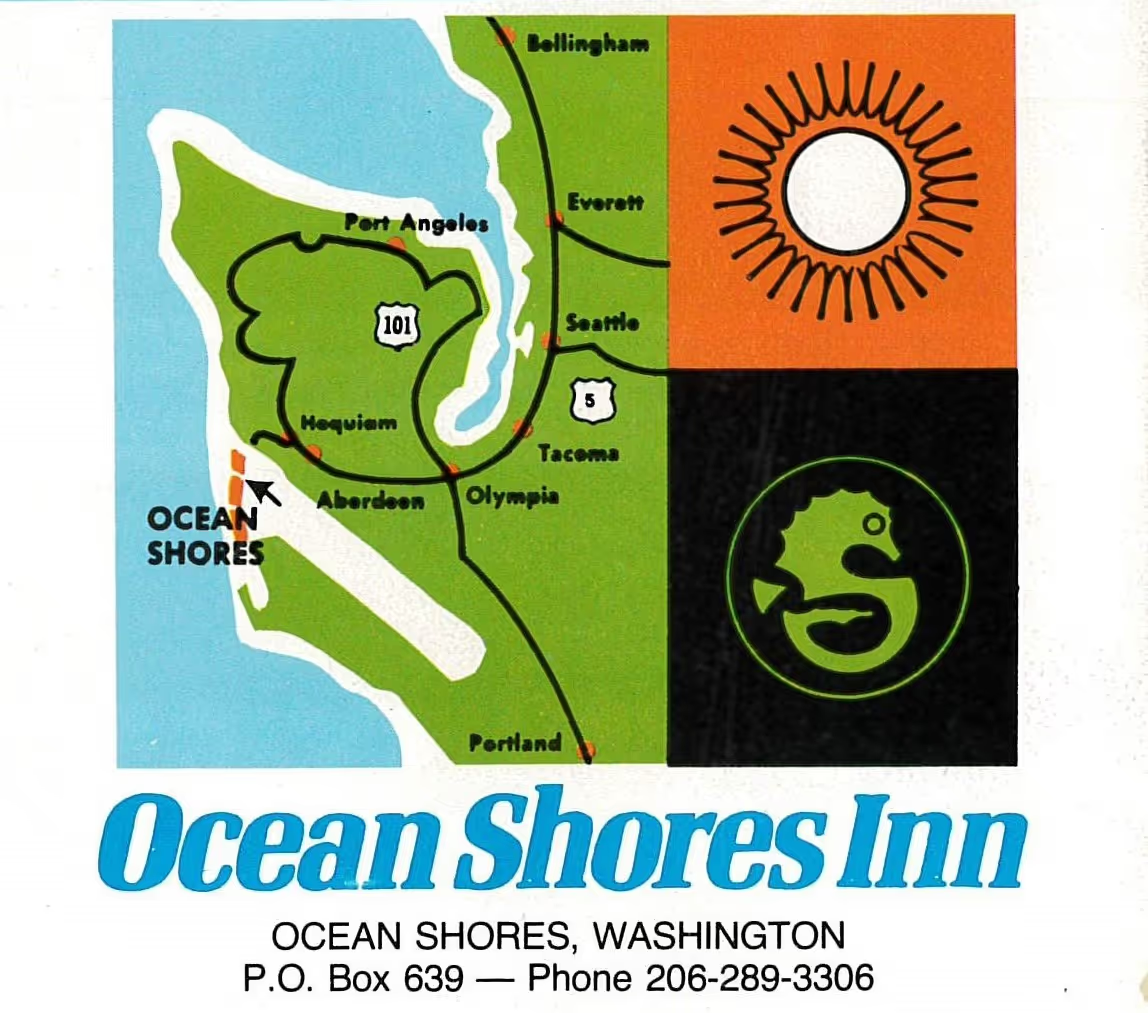
Brochure for the Ocean Shores Inn, date unknown. 2002.95.01
In the latter half of the 1960s, Ocean Shores Estates adopted a different seahorse logo. This time the seahorse had a long, thin tail curled in the front.
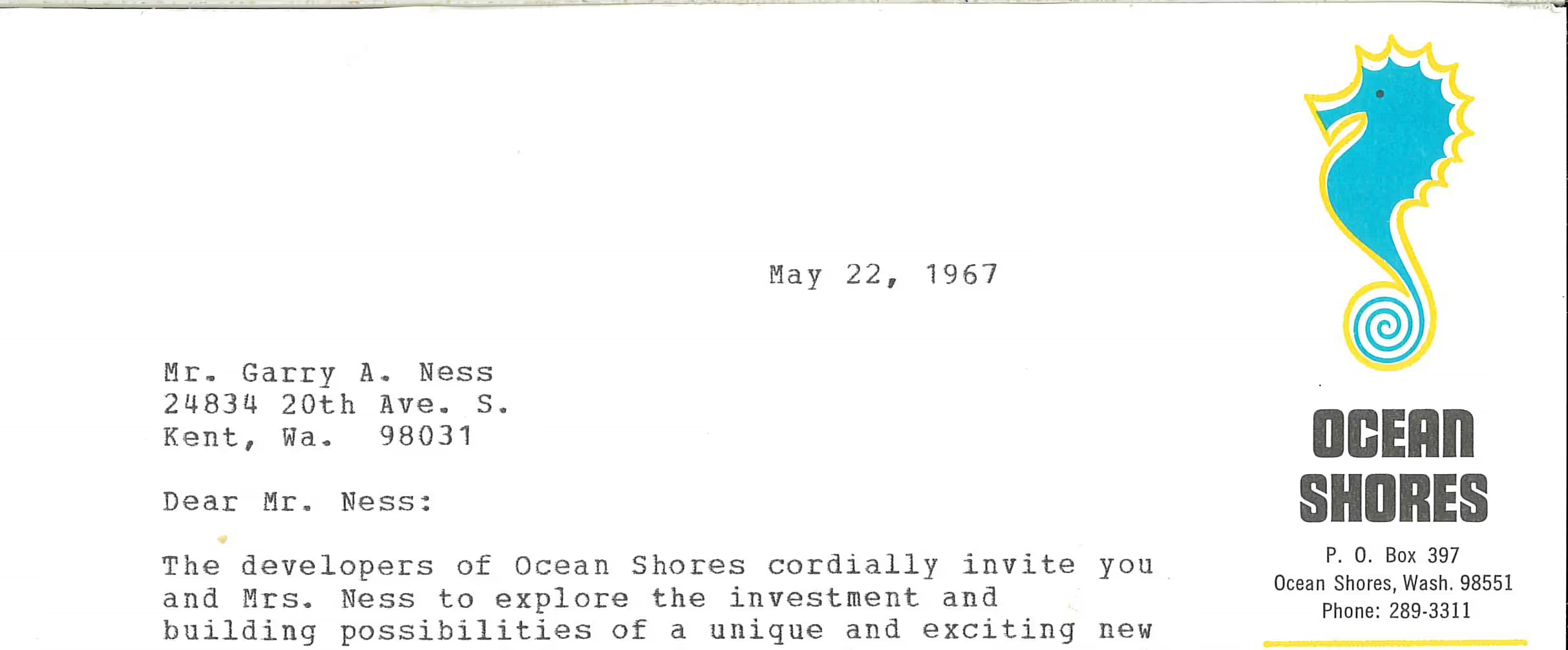
Solicitation letter from Pat Boone to Garry Ness dated May 22, 1967. 2018.01.70
Several early businesses followed their lead, incorporating seashores into their own logos.
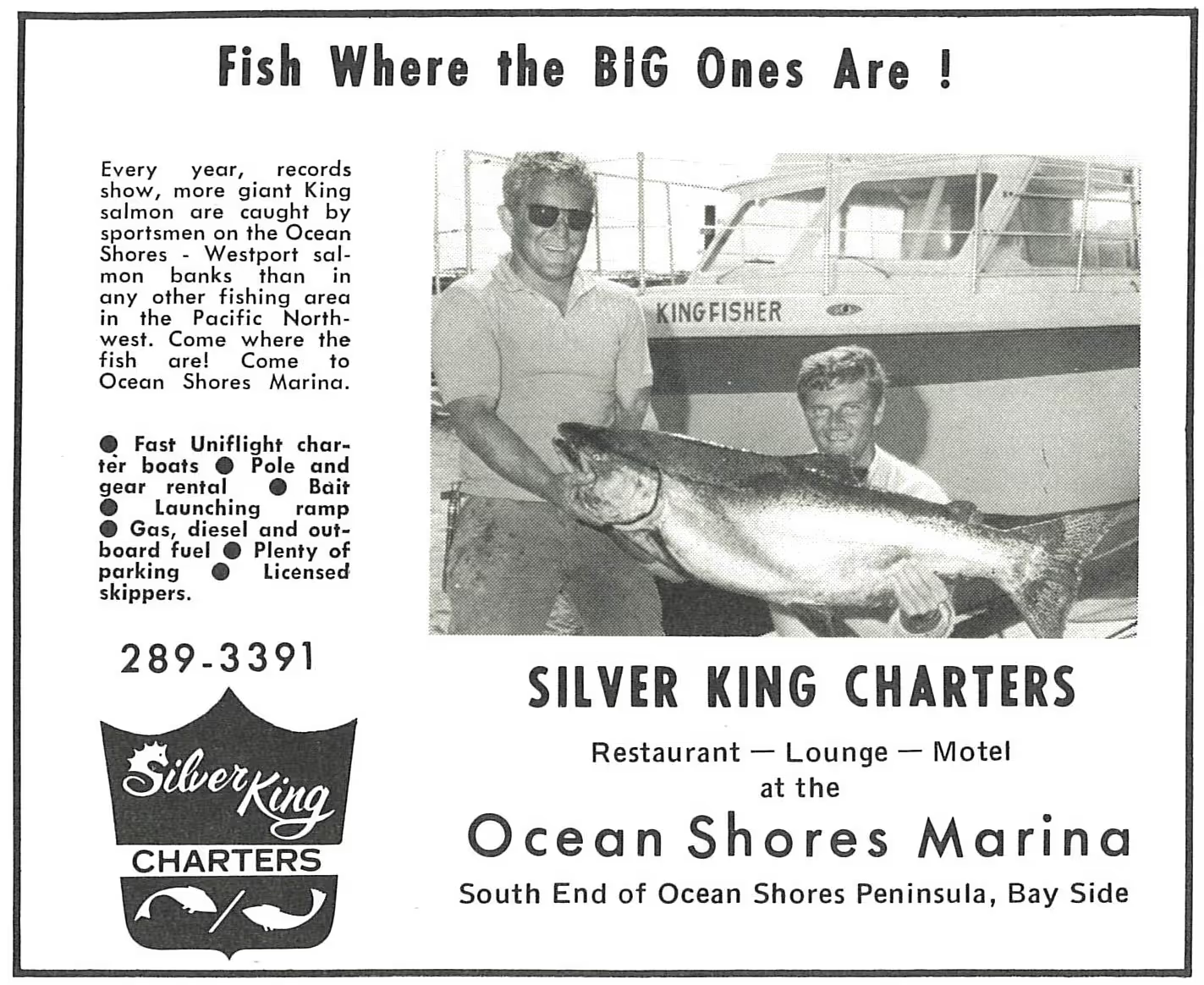
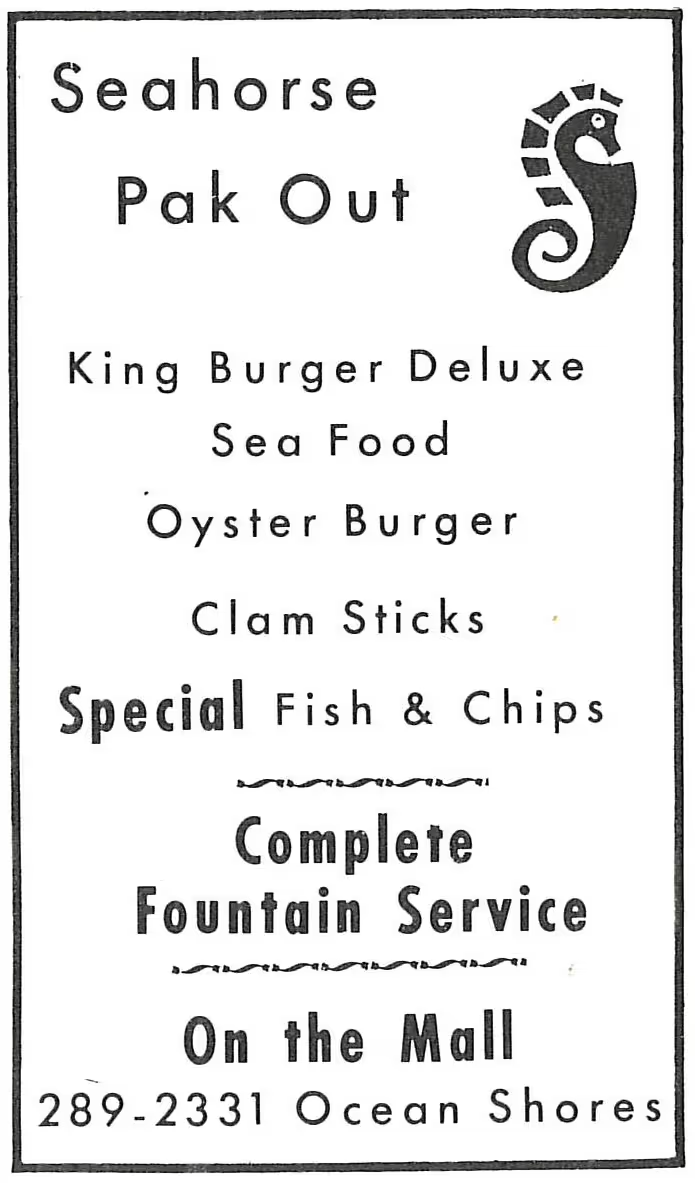
Advertisements for Silver King Charters and Seahorse Pak Out from a 1970s Ocean Shores guidebook. 2022.03.14
After Ocean Shores Estates and Wendell West declared bankruptcy and Ocean Shores became an incorporated city in 1970, the seahorse did not immediately disappear from city documents or business’ promotional materials.
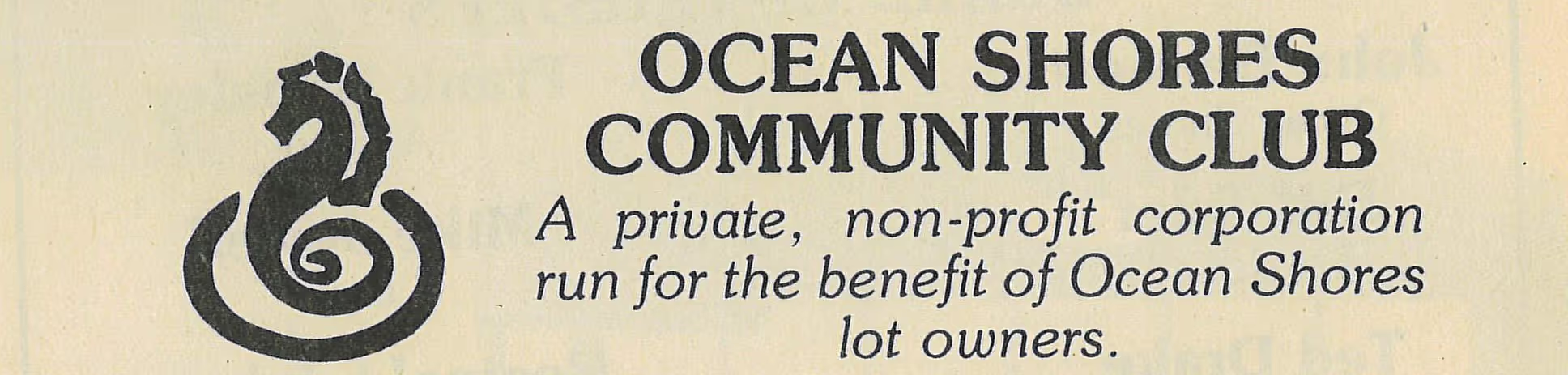
From a pamphlet about the Ocean Shores Community Club, 1980s. 2022.03.53
Nor did it prevent other businesses and organizations within the city from adopting it. For example, the Ocean Shores Library, which began operating in 1972, once had a logo featuring a seahorse reading a book.

Return address stamp on an envelope from the Ocean Shores Public Library, 1970s.
Even after the City redesigned their logo, it still incorporated seahorses along the sides throughout the rest of the 20th century.
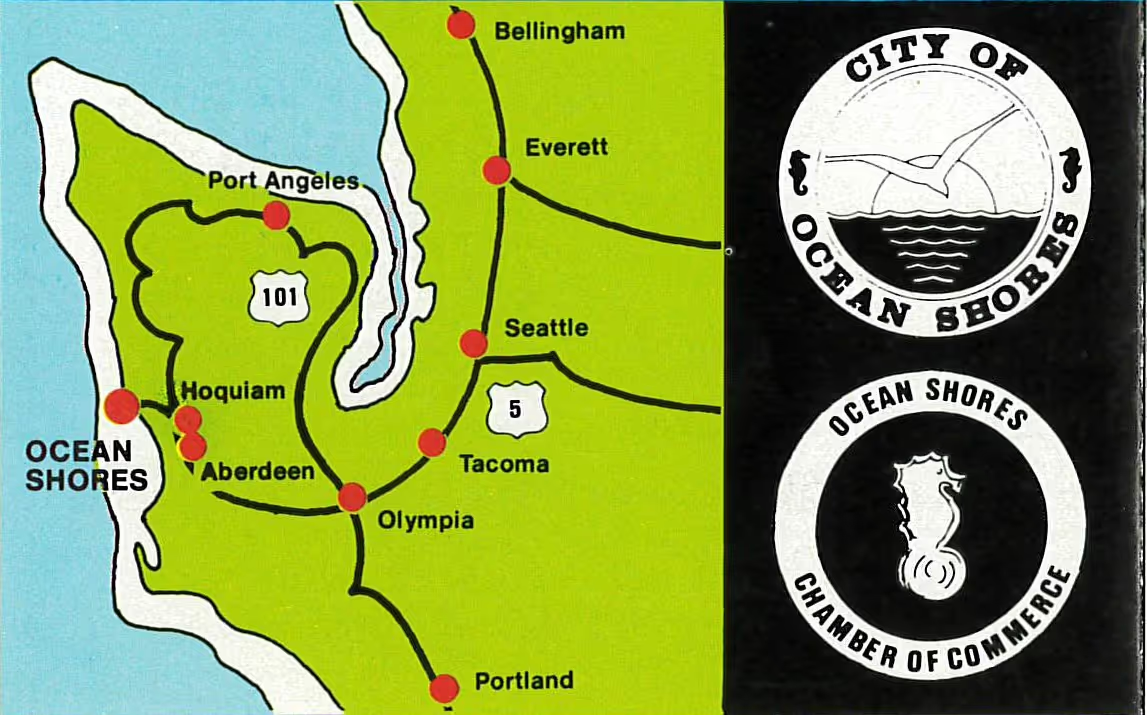
Brochure for Ocean Shores, 1970s-1980s. 2022.03.31
Nowadays, the official city logo features an outline of a seagull flying in front of a half-submerged sun. But the question still remains: why make the seahorse a symbol of Ocean Shores when seahorses can’t live this far north? While we can only speculate, it may have to do with the shape of the peninsula. Take a look at the way the eastern side of the peninsula is shaped in the map below. Does it not resemble the curves of a seahorse’s body?
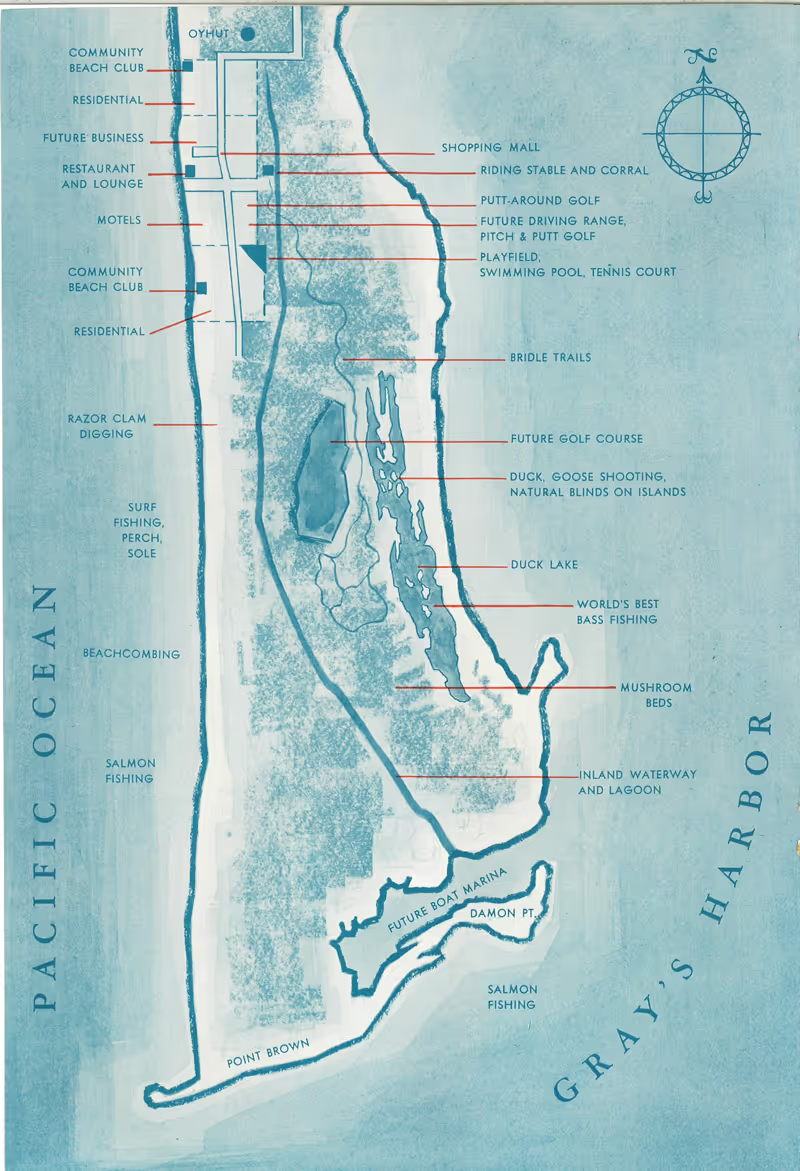
Map from booklet promoting Ocean Shores by MacPherson Realtors, 1961. 2022.03.32
References
“Bill MacPherson Letter” 2018.01.12. Coastal Interpretive Center.
Cabrillo Marine Aquarium. (n.d.). Pacific Seahorse. Cabrillo Marine Aquarium. Retrieved April 13, 2022, from https://www.cabrillomarineaquarium.org/exhibits/socal-species-details.asp?id=81
“MacPherson Realtors Booklet” 2022.03.32. Coastal Interpretive Center.
“Ocean Shores Brochure” 2022.03.31. Coastal Interpretive Center.
“Ocean Shores Community Club Pamphlet” 2022.03.53. Coastal Interpretive Center.
“Ocean Shores Guidebook” 2022.03.14. Coastal Interpretive Center.
“Ocean Shores Inn Brochure” 2002.95.01. Coastal Interpretive Center.
“Ocean Shores Community Club Pamphlet” 2022.03.53. Coastal Interpretive Center.
“Ocean Shores Inn Postcard” 2002.129.02. Coastal Interpretive Center.
“Pat Boone Letter” 2018.01.70. Coastal Interpretive Center.
© Laura Caldwell, April 2022
Touch whale bones, examine shipwreck artifacts and connect with the coast's living history.

Support our mission, get involved in educational programs, or contribute through donations and volunteering.