• Skip to primary navigation
  • Skip to main content
  • Skip to primary sidebar
  • Skip to footer
Coastal Interpretive Center Logo

Coastal Interpretive Center

  • Home
  • EXHIBITS
    • Indoor Exhibits
      • Olympic Coast National Marine Sanctuary
      • Children’s Exhibit
      • Coastal Watersheds Exhibit
      • Earth Sciences Exhibit
      • Habitat Wing
      • Beachcombing Exhibit
      • Logging on the WA Coast
      • Quinault Indian Nation
      • Ocean Shores History
      • Shipwrecks
      • Whales, Dolphins & Porpoises
    • Outdoor Exhibits
      • Gardens
      • Ocean Shores History
      • Whaling
      • Shipwrecks
      • FADs
      • Trails
    • High Dunes Trail
      • Dune Ecosystems and Communities
      • High Dune Biodiversity
      • High Dune Wetlands
      • High Dune Wildlife
      • Invasive Species in the High Dunes
      • Coastal Sand Dunes
  • RESOURCES
    • Education Programs Catalog
    • Activities For Kids
    • Glimpses Lecture Series
    • Videos
      • Book Reviews
      • Exploring the Washington Coast
      • Family Crafts and Education
      • Winged Wonders
    • Coastal Glimpses Newsletter Archive
    • Ocean Shores
    • Ocean Shores History Comes Alive!
  • BLOG
  • ABOUT
    • CENTER TEAM
    • CENTER HISTORY
    • CENTER INFORMATION
    • State of the Museum
    • Bookstore
    • Careers
    • Frequently Asked Questions
    • Raves
  • Events
    • Event Calendar
  • Contribute
    • Membership
    • Sand Dollar Society
    • Donate
    • Volunteer
  • Contact

Jetty Weasels

May 14, 2015 by Lorene Dailey

ocean beach weasel

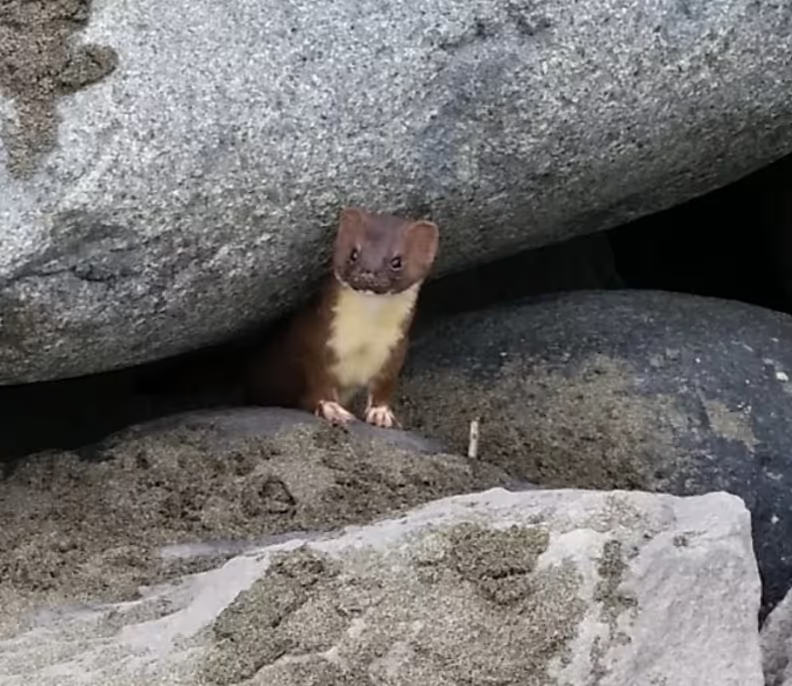
In 2015, while visiting Ocean Shores, I took a trip to the jetty. Halfway from the parking area I noticed sand filled in around the boulders, making it easier to climb the rocks and look over the water. Dolphins were playing near by and when I turned around, a little critter was watching me from between the boulders!

It turned out to be a Long-tailed Weasel and suddenly there were two! I took pictures and all the while they were quite unafraid of me and very curious.

Earlier, while walking in the sand near the jetty boulders, I saw trails in the sand. It looked like a small animal; tiny feet and well-defined toes with small claws and it was coming out from under the jetty rocks into the sandy area. 

I thought something probably lived in the rocks and came out to hunt but I had no idea what it might be until these little guys showed up. I shared the photos with friends, who were stunned and had no idea that weasels lived here. They asked around a bit but no one knew anything about the weasels. 

My weasel encounter lasted ten or fifteen minutes before they went back into the crevasses in the boulders and I moved on as well. Good luck little guys, nice to meet you!
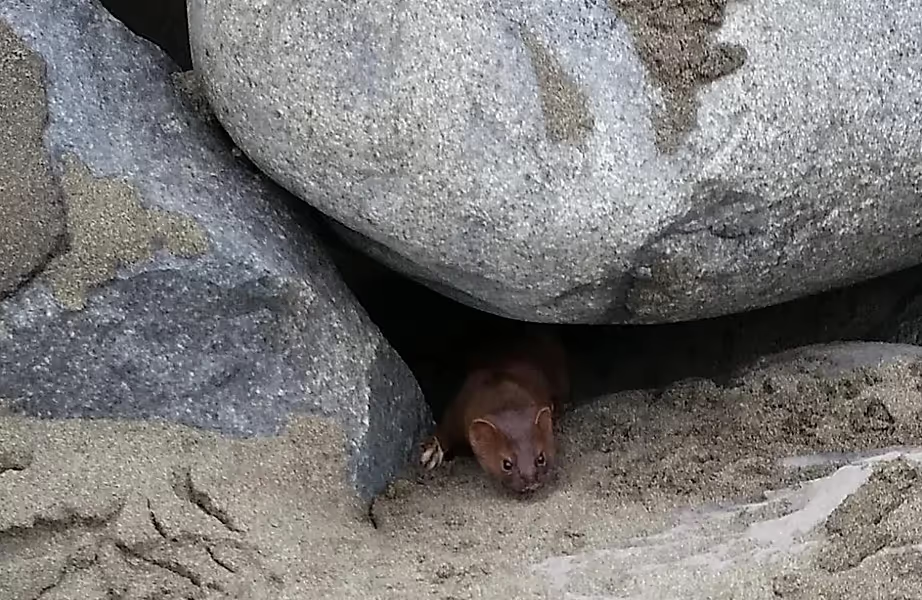
jetty weasel

© Lorene Dailey, May 2015

Category iconBeach Habitat,  Ocean Shores Tag iconJetty Weasels,  Pacific Coast

Primary Sidebar

Hey, Did You Know?

  • The Pacific Tree Frog: Part 2
  • The Pacific Tree Frog: Part 1
  • Bigleaf Maple

Follow CIC

  • Email
  • Facebook
  • Instagram
  • Phone
  • Twitter
  • YouTube

Categories

Tags

Beachcombing Bears Birds Bird Watching Black Bears Botanical Botany Cats Coastal Watersheds Cougars Ducks Flowers Gardening Geology Gulls Hummingbirds Invasive Species Large Mammals Life Cycle Lions Mammals Marine Life Migratory Birds Mountain Lions Native Plants Native Species Nature Oceans Ocean Shores Ocean Shores History Olympic Peninsula Pacific Coast Pacific Northwest Pacific Ocean Plants Pumas Sea Stars Shrubs Songbirds Spring Trees Waterfowl Weather Wildlife Winter

Footer

EXPLORE OUR BLOG

  • The Pacific Tree Frog: Part 2
  • The Pacific Tree Frog: Part 1
  • Bigleaf Maple

FIND US

1033 Catala Ave SE,
Ocean Shores, WA 98569
360-289-4617

Hours: Saturday and Sunday, 10:00am to 4:00pm
Closed Monday - Friday


Terms and Conditions of Use / Privacy Policy

© 2022 Coastal Interpretive Center

FOLLOW CIC

  • Email
  • Facebook
  • Instagram
  • Phone
  • Twitter
  • YouTube

SIGN UP FOR OUR NEWSLETTER

The Skulls & Evolution Exhibit features a selection of skulls from animals native to the Washington Coast. Discover how these animals relate to one another and how functions like eating affect shape their skull structure.

This Exhibit will be on display through January 28, 2024.