Nature
Effects of Flooding on the Natural World
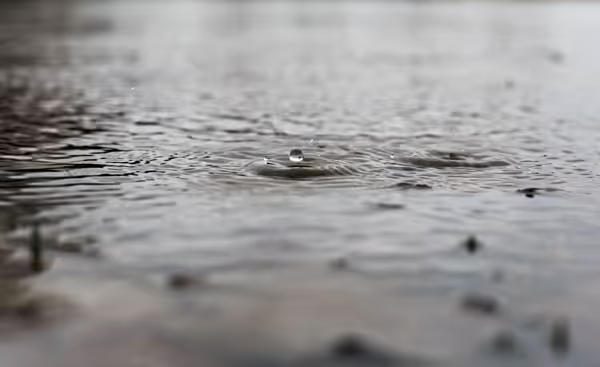
Snowmelt, rainfall, and high tide combined for a wet and wild start to 2022. In parts of Southwest Washington, last week’s rainfall was considered to be the “worst flooding” the area had seen in over a decade. Hoquiam, for example, saw an unprecedented 5.78 inches of rain in just one day. Other parts of the state received “more than half of the rain they’d expect to see for January” in just one day.
Grays Harbor County saw a total of 17 road closures and Interstate-5 was closed for a 20-mile stretch outside of Chehalis due to water over the roadway. Property damage was apparent after the heavy rains, and a 72-year old man was reported deceased after being swept away in the flood water outside of Cosmopolis.
As our community recovered from the flood, I found myself wondering how the heavy rainfall affected our neighbors in the natural world.
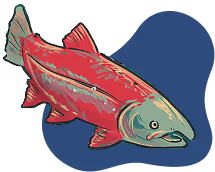
Flooding can have harmful effects on the natural world. Unpredictable floods can displace fish and destroy nests, potentially harming generations of fish. When the Skokomish River flooded in Shelton in 2018, salmon were recorded swimming across a flooded street, becoming easy prey for neighborhood racoons. Flooding can also churn up riverbeds and the gravel where salmon eggs usually remain safely hidden from predators.
Floodwaters can erode riverbanks. Collapsing riverbanks can degrade water quality by adding additional sediment and debris that can encourage the growth of harmful algae blooms. Pollutants and chemicals, like pesticides and sewage, often mix in with floodwater and further degrading water quality and disrupting aquatic ecosystems.
Flooding also increases the spread of waterborne diseases. Stagnant pools of water create a haven for mosquitoes, which can carry diseases like malaria. Cases of zoonosis diseases (diseases humans can catch from animals) tend to increase after flooding.
It’s not all bad news, though. Our natural world can also benefit from seasonally heavy rains. In fact, small and frequent flooding is actually a vital part of a healthy ecosystem. Floodwaters can transport important nutrients like nitrogen and phosphorus, in addition to organic materials, to surrounding land creating a rich, natural fertilizer that improves soil quality and encourages plant growth.
Flooding can create habitats for birds and other wildlife by creating islands and channels for them to inhabit. Flood waters can also flush out invasive plants and animals and help protect native species.
As flood water gets absorbed into the ground, it will eventually make its way to “aquifers,” underground layers of water-bearing materials like rock. Aquifers help supply freshwater springs, rivers, and lakes. During drier periods, the water that has already been absorbed into the ground helps sustain its surrounding ecosystems.
A healthy supply of groundwater will also lead to healthier soil and plant growth. Ancient civilizations first appeared near locations that saw seasonal floods, like the Nile in Egypt, because the healthy supply of groundwater created fertile soil for farming.
Sources
“Record Rainfall Leads to Flooding in Aberdeen and Hoquiam.” The Daily World. Accessed 9 January 2022.
“The Many Effects of Flooding,” National Geographic. https://www.nationalgeographic.org/article/many-effects-flooding/. Accessed 9 January 2022.
Toay, Adel. “Crews Recover Body of Missing Cosmopolis Man Swept Away in Floodwaters,” King 5 News. Accessed 9 January 2022.
“Pacific Northwest Storm Causes Flooding and Landslides and Closes Roads.” NPR.
Photo: Nicola Anderson on Unsplash: https://unsplash.com/photos/Og1kXpFzf6Q
© Holly Duffy, January 2022
Touch whale bones, examine shipwreck artifacts and connect with the coast's living history.

Support our mission, get involved in educational programs, or contribute through donations and volunteering.