Coastal dune ecosystems are characterized by plant communities that have adapted to the harsh blowing sand environment. These plants help shape the dunes physically and provide habitat for other plants and wildlife.
Beach Strand
This region is located closest to the open beach. You will see open sand and low plants with waxy leaves that are adapted to living on open sand. Some flowering plants of the coastal dunes such as beach strawberries have runners or stolon that cover the sand, stabilizing it. As the plants grow, sand gets caught in their leaves and roots creating small dunes that grow larger over time.
Foredune
This region is characterized by higher sand dunes stabilized by grasses and some flowering forbs such as beach peas, beach strawberries, and salal. The grass rhizome type of root system weaves through the dunes keeping sand in place, although open blowing areas of sand called blowouts are still common.
High Dune
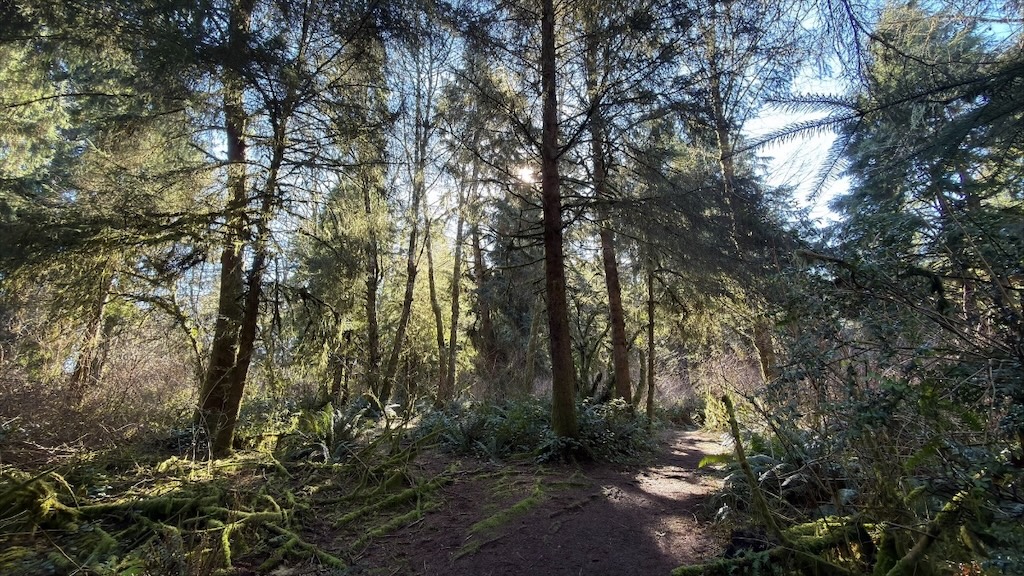
This region is characterized by higher sand dunes stabilized by plants with deeper roots. You will see plants such as Pacific wax myrtle, shore pine, evergreen huckleberry, and dune willow. Sand blowouts are less common and high dunes along the Pacific Coast eventually support larger trees such as Sitka spruce.